
By dev May 12, 2026
Building a Sustainable Future with an Artemis 2 Système de Revenus Automatisés for Retail Traders
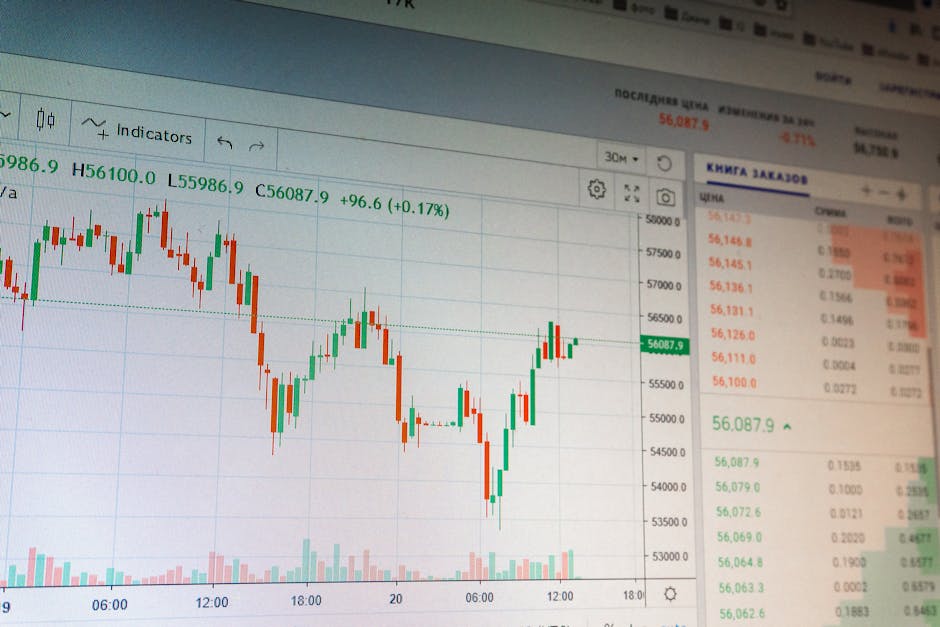
The Core Problem: Why Retail Traders Need Automation
Retail traders face a harsh reality: the markets never sleep, but humans do. Emotional decision-making, fatigue, and the inability to monitor multiple assets 24/7 lead to missed opportunities and costly errors. A sustainable trading future requires a system that removes human bias and operates with mechanical precision. The artemis 2 système de revenus automatisés addresses this directly by executing trades based on pre-defined algorithms, freeing traders from constant screen time and reactive panic.
Most retail traders fail because they trade against institutional players with superior tools and data. Automation levels the field. Instead of chasing trends or falling for FOMO, a trader using an automated system can deploy strategies that run on logic, not adrenaline. This shift from discretionary to systematic trading is the foundation of long-term profitability.
Why “Sustainable” Matters More Than “Quick Profit”
The promise of fast riches is a trap. Sustainable trading means consistent, risk-adjusted returns over months and years, not a single lucky week. Artemis 2 focuses on capital preservation first. Its automated revenue system uses stop-losses, position sizing, and multi-timeframe analysis to keep losses small while letting profitable runs develop naturally.
How Artemis 2 Automates the Revenue Stream
Artemis 2 is not a simple “set and forget” bot. It is a sophisticated framework that integrates technical indicators, volume analysis, and volatility filters. The system scans for high-probability setups across forex, indices, and crypto pairs. When conditions match a winning pattern, it enters a trade with pre-calculated risk parameters. The exit strategy is equally automated-trailing stops or take-profit levels are adjusted in real-time.
A retail trader using this system can run multiple strategies simultaneously. For example, one module might scalp 5-pip moves on EUR/USD during London session, while another catches trends on Bitcoin over 24-hour periods. The automation handles the execution, the trader handles the strategy selection and risk management oversight. This division of labor is sustainable because it prevents burnout.
Real-World Implementation: From Setup to Results
Getting started requires a compatible broker API and a VPS server for 24/7 uptime. Traders configure their risk tolerance (e.g., 1% per trade) and select which market conditions trigger entries. Backtesting is essential-Artemis 2 allows users to run historical data to verify strategy robustness before going live. A common mistake is over-optimizing; the system works best with simple, robust rules that survive different market regimes.
Results vary, but disciplined users report 15-25% annual returns with drawdowns under 10%. The key is consistency. Automated systems eliminate the “revenge trading” impulse. When a loss occurs, the algorithm immediately looks for the next valid setup, not for a way to recover lost money emotionally. This behavioral edge is the real secret to sustainability.
FAQ:
Is this system suitable for complete beginners?
No. You need basic knowledge of trading concepts like stop-losses and risk management. Artemis 2 automates execution, not strategy creation.
What markets can I trade with Artemis 2?
It supports forex majors, indices (S&P 500, DAX), and major cryptocurrencies. Commodities and stocks are currently in beta.
How much capital do I need to start?
A minimum of $1,000 is recommended to allow for proper position sizing and to avoid margin issues during volatility.
Can I override a trade manually?
Yes, but doing so frequently defeats the purpose. The system is designed to be autonomous; manual overrides usually hurt performance.
What happens if my internet goes down?
Use a VPS (Virtual Private Server) with 99.9% uptime. The system runs on the VPS, not your home computer.
Reviews
Marcus T., London
I lost money for two years trying to day trade manually. Artemis 2 changed that. My account is up 18% in 8 months with zero stress. The automation keeps me disciplined.
Elena R., Berlin
I was skeptical about automated systems, but this one is different. The backtesting tools are solid. I run two strategies now-one for scalping, one for swing trading. No more emotional exits.
James K., Sydney
Setup was straightforward. I use it on forex pairs only. The drawdowns are smaller than when I traded manually. Finally a system that doesn’t promise magic but delivers steady results.
By dev May 12, 2026
Wat Is AI System for Earning Money and How It Works: A Beginner’s Blueprint

Core Concept: What Exactly Is an AI System for Earning Money?
An AI system for earning money is a software platform that uses machine learning and data analysis to generate income. Unlike passive tools, it actively processes market conditions, user behavior, or trading signals to execute profitable actions. For a clear breakdown of wat is ai system for earning money, consider a bot that scans cryptocurrency fluctuations, buys low, and sells high-all without manual input. These systems range from arbitrage engines to content generation tools that sell digital products.
The key differentiator is automation: the AI learns from patterns, adapts to changes, and optimizes returns. Beginners often confuse this with simple scripts; however, true AI systems incorporate neural networks or reinforcement learning to improve over time. They require minimal oversight once configured, though initial setup demands understanding risk parameters.
Common Types of AI Earning Systems
Popular categories include trading bots (crypto, forex), affiliate marketing optimizers, and AI-driven e-commerce stores. Each uses unique algorithms-trading bots rely on historical price data, while marketing tools analyze click-through rates to adjust ad spend. The wat is ai system for earning money question often leads to platforms that combine multiple strategies, like signal aggregation from various markets.
Mechanics: How Does an AI Income System Work Step by Step?
First, the system ingests data-market feeds, social sentiment, or past sales records. It then applies a trained model to predict outcomes. For example, an AI trading bot uses technical indicators (RSI, moving averages) to decide when to enter a trade. Execution happens via API connections to exchanges or payment gateways. The system monitors performance in real-time, adjusting parameters like stop-loss limits automatically.
Second, feedback loops refine accuracy. If a trade fails, the AI reduces weight on that strategy. This continuous learning separates robust systems from static ones. Beginners should focus on platforms with transparent logic-avoid black-box tools that hide decision processes. Most systems offer dashboards showing profit/loss, trade history, and algorithm tweaks.
Key Components You Must Know
Components include: data feed (reliable source), model (trained on historical data), execution engine (fast API), and risk management (position sizing). Without all four, the system risks capital. Start with demo modes to test strategies without real money.
Practical Steps for Beginners to Start Using AI Earning Systems
Begin by choosing a niche-crypto trading, affiliate marketing, or content creation. For trading, sign up on a regulated exchange and link it to a reputable AI bot like 3Commas or Cryptohopper. Set small capital (e.g., $100) and configure risk limits: maximum 2% per trade. For marketing, use AI tools like Jasper to generate blog posts that rank for affiliate products.
Monitor weekly: check win rate, drawdown, and time spent. Many beginners overtrade; stick to one strategy for at least 30 days. Document results manually to compare with AI’s reporting. Avoid systems promising “guaranteed” returns-legitimate ones show volatility. Finally, scale slowly: reinvest profits only after consistent positive months.
FAQ:
Is an AI earning system legal and safe?
Yes, if it complies with local regulations. Use platforms with KYC verification and SSL encryption. Avoid unlicensed bots.
How much money do I need to start?
Most trading bots require a minimum deposit of $50–$200. Affiliate systems need only a domain and hosting (~$10/month).
Can I lose all my money?
Yes, especially with high-leverage trading. Use stop-losses and never invest funds you cannot afford to lose.
Do I need coding skills?
No. Modern platforms offer drag-and-drop strategy builders or pre-set templates. Basic technical knowledge helps but is optional.
How quickly can I see profits?
Results vary. Crypto bots may show daily gains of 1–5%, but losses occur equally. Affiliate systems take 2–4 months for steady income.
Reviews
James T.
Started with a crypto bot three months ago. Set $200, now at $340. The AI adjusted during a dip-I would have panicked. Good for beginners.
Maria L.
Used an AI affiliate tool for my blog. Generated 12 articles, now earning $150/month passive. Setup was easy, but you must edit outputs.
David K.
Tried a forex bot. Lost $50 first week due to poor settings. After reading guides, reconfigured and broke even. Patience is key.
By dev May 11, 2026
Wat Is AI System for Earning Money and How It Works: A Beginner’s Blueprint
Core Concept: What Exactly Is an AI System for Earning Money?
An AI system for earning money is a software platform that uses machine learning and data analysis to generate income. Unlike passive tools, it actively processes market conditions, user behavior, or trading signals to execute profitable actions. For a clear breakdown of wat is ai system for earning money, consider a bot that scans cryptocurrency fluctuations, buys low, and sells high-all without manual input. These systems range from arbitrage engines to content generation tools that sell digital products.
The key differentiator is automation: the AI learns from patterns, adapts to changes, and optimizes returns. Beginners often confuse this with simple scripts; however, true AI systems incorporate neural networks or reinforcement learning to improve over time. They require minimal oversight once configured, though initial setup demands understanding risk parameters.
Common Types of AI Earning Systems
Popular categories include trading bots (crypto, forex), affiliate marketing optimizers, and AI-driven e-commerce stores. Each uses unique algorithms-trading bots rely on historical price data, while marketing tools analyze click-through rates to adjust ad spend. The wat is ai system for earning money question often leads to platforms that combine multiple strategies, like signal aggregation from various markets.
Mechanics: How Does an AI Income System Work Step by Step?
First, the system ingests data-market feeds, social sentiment, or past sales records. It then applies a trained model to predict outcomes. For example, an AI trading bot uses technical indicators (RSI, moving averages) to decide when to enter a trade. Execution happens via API connections to exchanges or payment gateways. The system monitors performance in real-time, adjusting parameters like stop-loss limits automatically.
Second, feedback loops refine accuracy. If a trade fails, the AI reduces weight on that strategy. This continuous learning separates robust systems from static ones. Beginners should focus on platforms with transparent logic-avoid black-box tools that hide decision processes. Most systems offer dashboards showing profit/loss, trade history, and algorithm tweaks.
Key Components You Must Know
Components include: data feed (reliable source), model (trained on historical data), execution engine (fast API), and risk management (position sizing). Without all four, the system risks capital. Start with demo modes to test strategies without real money.
Practical Steps for Beginners to Start Using AI Earning Systems
Begin by choosing a niche-crypto trading, affiliate marketing, or content creation. For trading, sign up on a regulated exchange and link it to a reputable AI bot like 3Commas or Cryptohopper. Set small capital (e.g., $100) and configure risk limits: maximum 2% per trade. For marketing, use AI tools like Jasper to generate blog posts that rank for affiliate products.
Monitor weekly: check win rate, drawdown, and time spent. Many beginners overtrade; stick to one strategy for at least 30 days. Document results manually to compare with AI’s reporting. Avoid systems promising “guaranteed” returns-legitimate ones show volatility. Finally, scale slowly: reinvest profits only after consistent positive months.
FAQ:
Is an AI earning system legal and safe?
Yes, if it complies with local regulations. Use platforms with KYC verification and SSL encryption. Avoid unlicensed bots.
How much money do I need to start?
Most trading bots require a minimum deposit of $50–$200. Affiliate systems need only a domain and hosting (~$10/month).
Can I lose all my money?
Yes, especially with high-leverage trading. Use stop-losses and never invest funds you cannot afford to lose.
Do I need coding skills?
No. Modern platforms offer drag-and-drop strategy builders or pre-set templates. Basic technical knowledge helps but is optional.
How quickly can I see profits?
Results vary. Crypto bots may show daily gains of 1–5%, but losses occur equally. Affiliate systems take 2–4 months for steady income.
Reviews
James T.
Started with a crypto bot three months ago. Set $200, now at $340. The AI adjusted during a dip-I would have panicked. Good for beginners.
Maria L.
Used an AI affiliate tool for my blog. Generated 12 articles, now earning $150/month passive. Setup was easy, but you must edit outputs.
David K.
Tried a forex bot. Lost $50 first week due to poor settings. After reading guides, reconfigured and broke even. Patience is key.