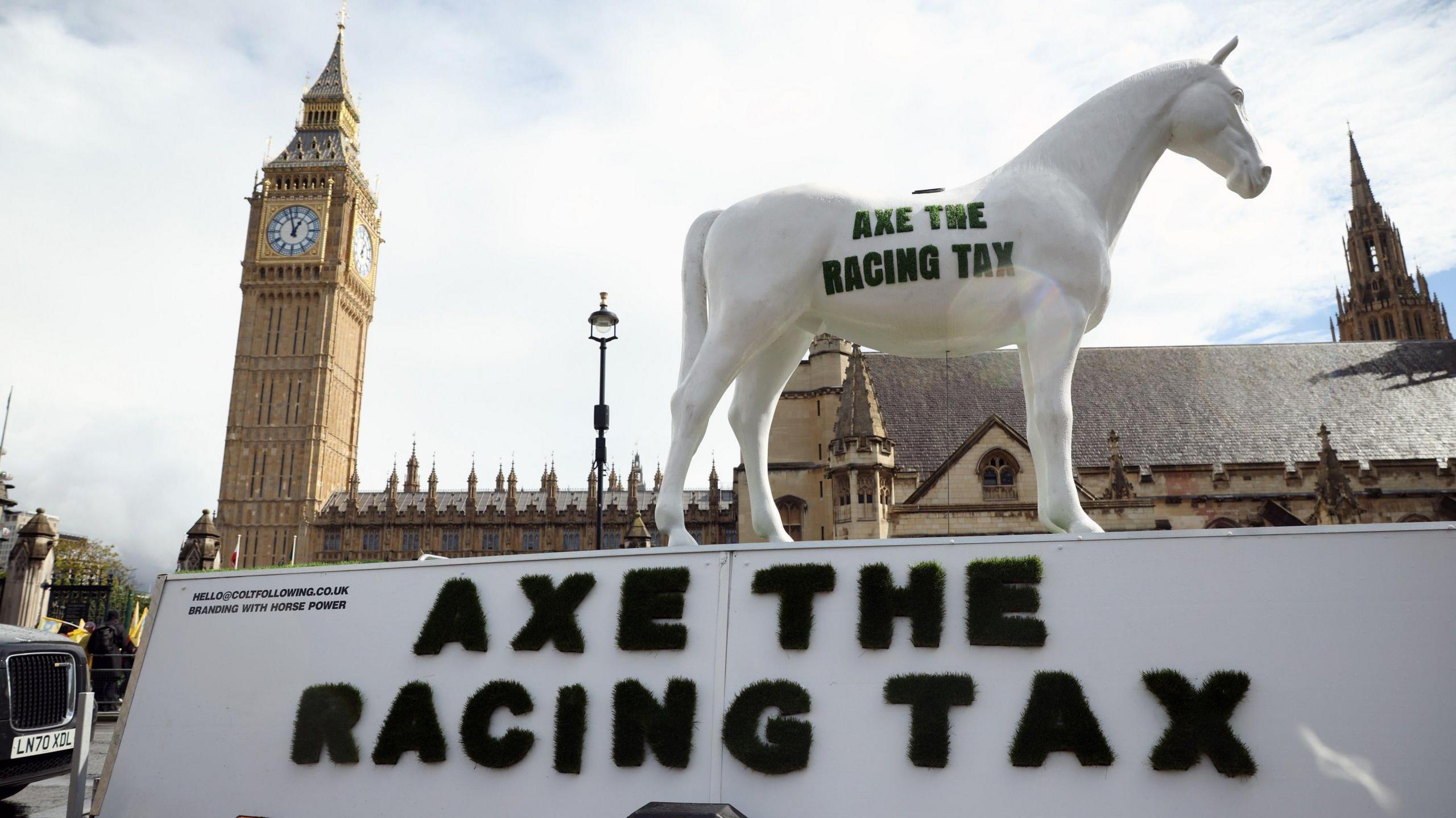

The State of British Horse Racing: Challenges and Opportunities
British horse racing has long been a cornerstone of the sports culture, steeped in tradition and excitement. However, in recent years, the landscape has seen significant changes that have raised questions about the future of this beloved sport. The rise of online gambling and changes in regulations have created a new reality for racing enthusiasts and participants alike. With an eye on alternatives, many are exploring British horse racing not on GamStop horse betting sites not on GamStop as potential avenues for wagering. This article delves into the current state of British horse racing, discussing the hurdles it faces as well as potential opportunities for revitalization.
The Current Landscape of British Horse Racing
At its peak, British horse racing attracted millions of spectators and punters, each drawn by the thrill of the race and the potential for big wins. Iconic events like the Grand National and Royal Ascot remain fixtures on the sporting calendar, drawing in vast crowds and immense media coverage. However, the sport is currently experiencing a downturn in attendance and engagement, primarily due to several interconnected factors.
One of the major issues facing British horse racing is the shift in public interest. While racing has historically enjoyed a loyal following, younger generations are increasingly drawn to other forms of entertainment, such as esports and online gaming. As these alternative forms of engagement grow in popularity, traditional sports like horse racing struggle to capture the attention of the youth demographic. Consequently, the sport finds itself in a battle for relevance.
Regulatory Challenges and Financial Pressures
Another significant challenge impacting British horse racing is the regulation surrounding gambling. The Gambling Act of 2005 laid the groundwork for modern gambling in the UK; however, calls for reform have intensified due to concerns over problem gambling and the impact of advertising. Any changes to the regulations could impose significant restrictions on how horse racing is marketed and accessed by potential punters.
These financial pressures are compounded by the COVID-19 pandemic, which caused widespread disruptions to the racing calendar. With races cancelled or held without spectators, the revenue streams that sustain racecourses, trainers, and owners were severely impacted. The uncertainty and financial instability have led to difficult conversations within the industry about how to recover and move forward.
The Role of Online Gambling in Horse Racing
One area that offers both challenges and opportunities is the realm of online gambling. The advent of betting apps and online platforms has transformed the way people engage with horse racing. While these advancements have made it easier for punters to place bets, they have also increased the competition within the betting market. Traditional bookmakers face stiff competition from online-only platforms, which often provide better odds and more promotional offers.
Moreover, as online betting continues to evolve, some individuals have sought out alternatives to mainstream platforms. For instance, some punters are exploring horse betting sites not on GamStop, which cater to those who want to gamble without the constraints posed by self-exclusion programs. This trend prompts a larger conversation about responsible gambling and the need for the industry to prioritize player protection while also adapting to new market demands.
The Future of British Horse Racing
Despite these challenges, there is still hope for the future of British horse racing. Many within the industry are advocating for innovation and modernization to attract a new generation of fans. This includes enhancing the racing experience through improved facilities, better use of technology, and an emphasis on responsible gambling practices.

Engaging younger audiences will be critical, and this could involve collaborations with technology companies to incorporate virtual reality experiences, online betting games, and social media marketing strategies that resonate with today’s youth. By leveraging the digital landscape, racing can find new ways to engage and educate potential fans.
Conclusion
British horse racing stands at a crossroads filled with both challenges and opportunities. While the sport is facing significant obstacles due to market shifts, regulatory changes, and financial pressures, there is still time to adapt and evolve. By embracing innovation, focusing on responsible gambling, and reaching out to new demographics, the future of British horse racing could be brighter than ever.
As the industry looks beyond traditional methods, the need for transformation is clear. The discussions surrounding player protection, modernization, and engagement strategies will define the path forward for one of Britain’s oldest and most cherished sports.